

Trending Now
 Exclusive Interview with Uwe Sperber, Site Manager, Hubner Interface Systems India
 Bangalore Metro floated tender for 13.8-km Phase-3 Double-Decker Rail Infrastructure
 AECOM–NIPPON KOEI JV appointed as PMC Consultant for Chennai Metro Phase 1 capacity enhancement
 EPC Leader Larsen & Toubro Ltd (L&T) joins Chamber of Railway Industries as Corporate Member
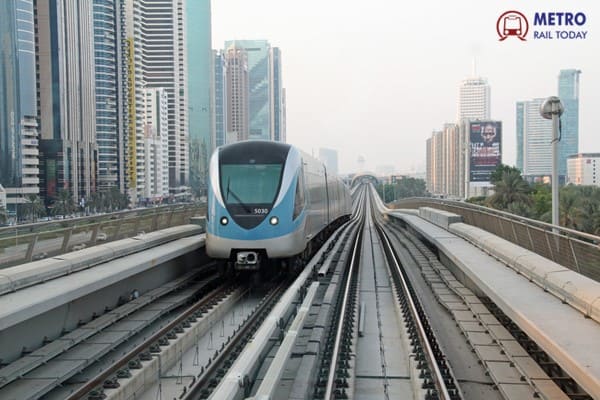 Contractor prequalification deadline for Dubai Metro Gold Line is extended to October 9
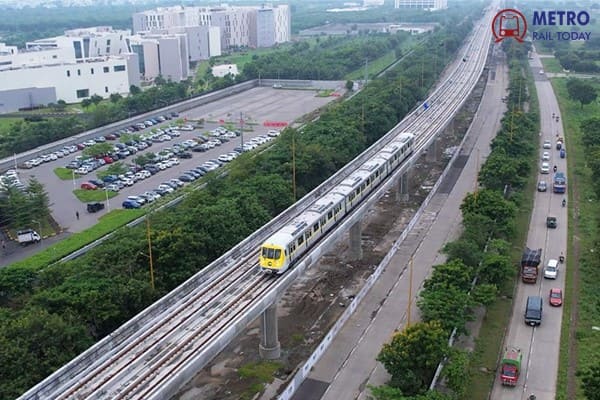 Indore Metro Rail Network expands to 17 km as Priority Corridor 2 opened to public
 Jaffer PC appointed as Managing Director of Bangalore Metro Rail Corporation (BMRC)
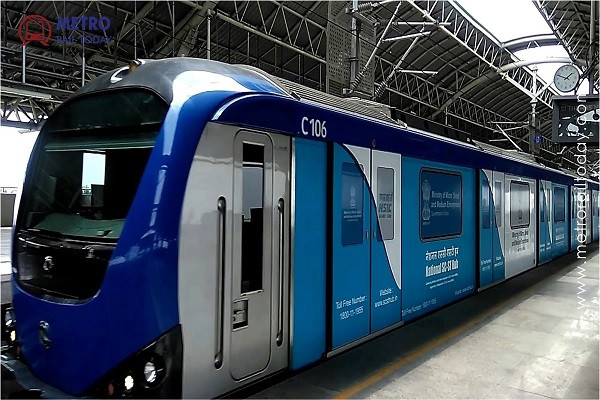 CMRL appoints Systra to prepare Multi-Modal Integration DPR for Chennai Metro Phase 1 stations
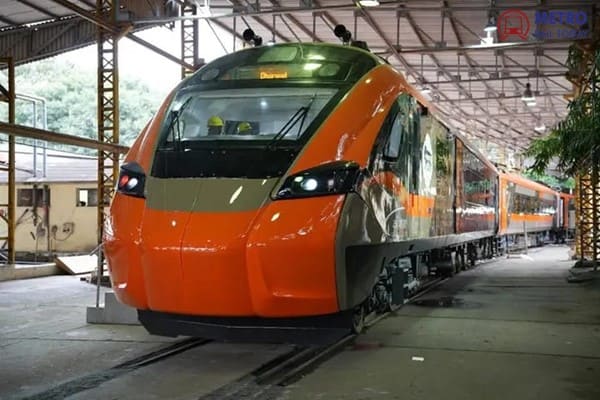 BEML secures additional ₹180.60 crore Rolling Stock Order for Vande Bharat Sleeper Trainsets
- Titagarh Rail Systems and Siemens join hands to explore Global Metro Rolling Stock opportunities
MRT Jakarta set to launch $3.1 Billion Global Tender for East-West Metro Line Phase 1
MRT Online Desk
Posted on: 2025-07-14 14:30:00
Viewer: 6,254
Comments: 0
Country: Indonesia
City: Jakarta

Jakarta, Indonesia (Metro Rail Today): In a major push to enhance urban mobility and regional connectivity, PT MRT Jakarta has announced plans to open an international tender worth US$3.1 billion for the construction of the first phase of the East-West Line later this year.
The tender, scheduled to be floated in the fourth quarter of 2025, will cover the construction of a 24.5-kilometre stretch from Tomang in West Jakarta to Medan Satria in Bekasi, West Java. This section forms a significant part of the proposed 87-kilometre East-West Line — Jakarta’s most ambitious mass rapid transit project to date.
Tender to Prioritize Japanese Contractors, Enable Indonesian Participation
According to Weni Maulina, Construction Director at MRT Jakarta, the international tender will be conducted under the oversight of the Japan Management Consultant Association (JMCA). She confirmed that the Japan International Cooperation Agency (JICA) and the Asian Development Bank (ADB) are backing the project’s financing, and the tender process will prioritize Japanese contractors. However, Indonesian construction firms will also have the opportunity to participate through joint operations with Japanese firms.
“God willing, by Q4 — possibly October or November — we’ll officially announce the tender. Japan will take the lead, but Indonesian firms can enter through joint ventures,” said Maulina during a press forum.
Construction Timeline & Projected Operations
The contract award is expected by 2026, with physical construction set to begin soon after. Commercial operations for this first phase are targeted to commence by 2032.
Meanwhile, preliminary development work, including land acquisition and utility relocation, is already underway in 2025 to ensure a smooth start for construction.
Future Extensions and Total Line Scope
The East-West MRT Line is designed to ultimately span 87 km, linking Balaraja in Banten (west of Jakarta) to Cikarang in West Java (east of Jakarta), and will consist of 21 stations — a mix of underground and elevated — and a dedicated depot at Rorotan.
Future segments of Phase 1 will include a 9.2-km westward extension from Tomang to Kembangan. Phase 2 will expand further with:
-
A 29.9 km stretch from Balaraja to Kembangan
-
A 20 km section from Medan Satria to Cikarang
Japan Reaffirms Support Amid Strategic Cooperation
Japan has reiterated its strong support for the East-West Line, emphasizing its focus on completing the North-South Line extension and delivering the East-West Line. However, Japanese officials have clarified there are no immediate plans for broader MRT expansion beyond this scope.
In June 2025, Japanese Ambassador Yasushi Masaki reaffirmed Japan's commitment to the East-West corridor, highlighting its role in shaping transit-oriented development around new MRT stations.
MRT Jakarta's Growing Urban Impact
Since operations began in 2019, Jakarta’s North-South MRT Line has significantly improved urban mobility. Official reports estimate that the MRT system has helped prevent environmental damage worth Rp 2.2 trillion and contributed Rp 1.9 trillion in time savings, proving the system’s long-term economic and environmental benefits.
As the capital continues to battle congestion and pollution, the East-West Line is expected to become a cornerstone for sustainable transportation in Greater Jakarta and beyond.


MRT Online Desk
Metro Rail Today is an authentic and global news provider for the Rail & Metro industry from and around the world.