


Trending Now
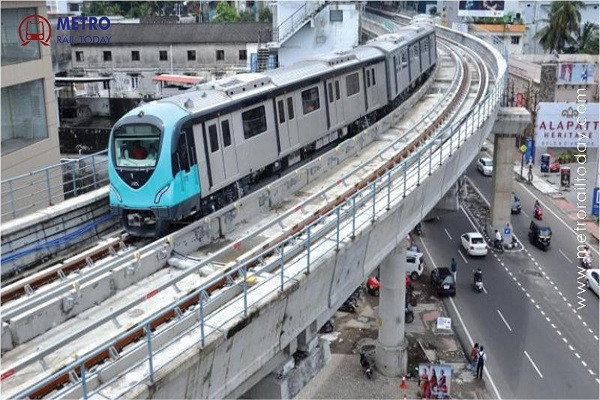 Kochi Metro unveils Visionary Design for Phase II Pink Line Metro Stations
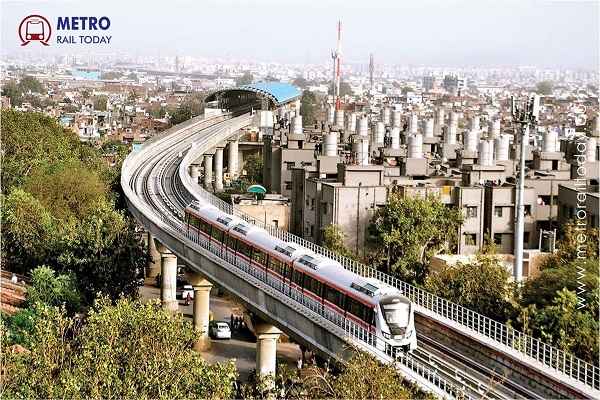 Design Consultancy Tenders floated for Ahmedabad Metro Phase 3 Elevated Corridors
 Global Metro Rail Infrastructure Market projected to reach US$ 78.3 billion by 2033
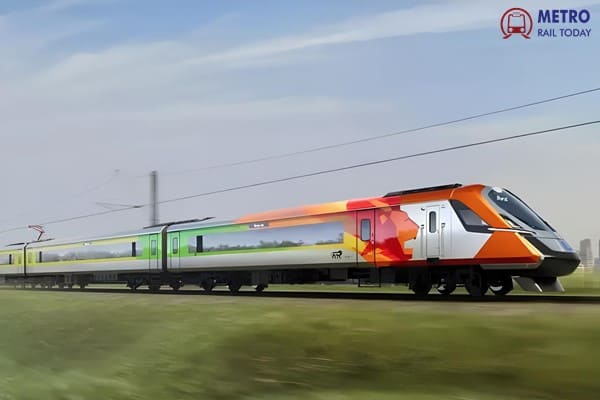 Kinet’s Vande Bharat Sleeper Concept wins prestigious Italian A’ Design Award
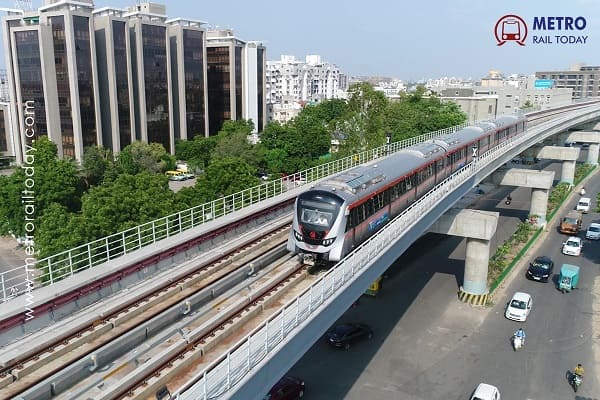 SYSTRA awarded Design Consultancy Contract for Ahmedabad Metro Phase 2 Extensions
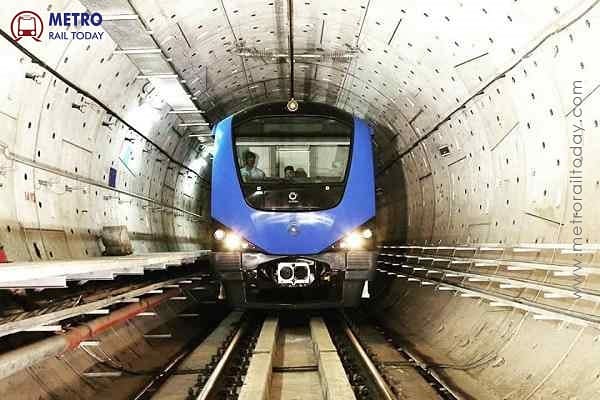 TBM Servarayan achieves Tunnel Breakthrough on Corridor 3 of Chennai Metro Phase 2
 India targets 350 kmph Indigenous Bullet Train to accelerate High-Speed Rail ambitions
- RTA invites bids for $9.2 billion Dubai Metro's Gold Line Expansion Project
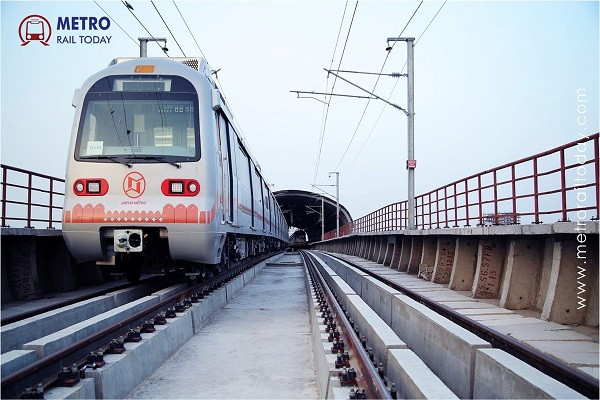 ICT–RINA JV awarded Design Consultancy Contract for Jaipur Metro Phase 2
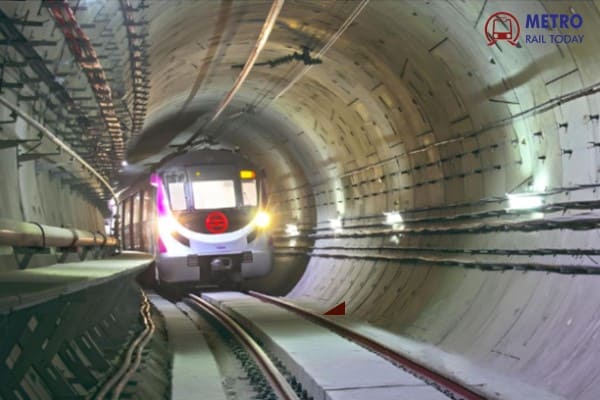 J. Kumar Infraprojects achieves TBM Breakthrough at Mahipalpur for Delhi Metro Phase IV
Mumbai needs RRTS beyond Metro Expansion to meet future Travel Demand: Ashwini Bhide
MRT Online Desk
Posted on: 2025-12-19 07:00:00
Viewer: 1,572
Comments: 0
Country: India
City: Mumbai
As Mumbai’s metro network continues to expand rapidly, the city must begin planning for a Regional Rapid Transit System (RRTS) to address long-term commuter demand across the Mumbai Metropolitan Region (MMR), according to Ashwini Bhide, Managing Director, Mumbai Metro Rail Corporation Limited (MMRCL).
Speaking to a local media platform, Bhide said that while metro corridors are critical for urban mobility, they alone will not be sufficient to handle future inter-city and regional travel needs, particularly for workers commuting from emerging industrial and economic zones outside Mumbai.
Why RRTS Is Critical for Mumbai’s Next Growth Phase
Explaining the advantages of an RRTS, Bhide noted that such systems are designed for higher speeds and longer station spacing, unlike metro or suburban rail networks.
“Stations in RRTS are placed far apart — often eight kilometres or more. That gives speed and the right kind of connectivity,” she said.
With fewer halts, RRTS trains can maintain significantly higher operational speeds, making them ideal for long-distance daily commuting between urban cores and peripheral growth centres.
Bhide pointed out that industrial clusters across the MMR attract thousands of commuters every day, many of whom currently rely on a mix of private vehicles, suburban rail and last-mile transport, leading to long travel times and congestion.
Learning from the Delhi–Meerut RRTS Model
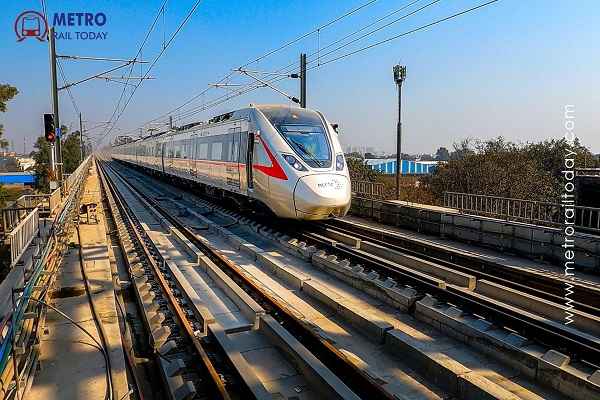
Referring to the Delhi–Meerut RRTS, where trains operate at speeds of up to 180 kmph, Bhide stressed the need for Mumbai to adopt similar long-term thinking.
“If we can identify such pockets where bulk travel happens from one place to another, without needing connectivity at every location, travel can be very fast,” she said.
A limited-stop RRTS corridor, she added, could dramatically reduce travel times while easing pressure on Mumbai’s saturated suburban rail network.
Pune’s RRTS Need Even More Urgent
Bhide also highlighted that Pune may require an RRTS even more urgently than Mumbai, given its rapid urban expansion and growing industrial base.
She said the Maharashtra government is already considering a feasibility study, supported by technical inputs from MahaMetro, to explore high-speed regional connectivity solutions for Pune.
With large employment hubs emerging on Pune’s periphery, metro systems alone may not be able to cater to the city’s expanding commuter catchment.
Industrial Growth Moving Beyond Mumbai’s Core
Emphasising broader regional planning, Bhide noted that Mumbai’s core has limited space for industrial expansion, but new-age industries still need proximity to the city.
Citing Palghar district as an example, she said areas around the upcoming Vadhavan Port are expected to witness rapid industrial and logistics-driven growth.
“The area around Vadhavan in Palghar is going to get a boost… and such areas need direct connectivity from Mumbai which is much faster than suburban rails and metro,” she observed.
As Mumbai continues its push toward sustainable, low-emission mass transit, the discussion around RRTS signals a shift in thinking — from expanding metro networks within city limits to building high-speed regional corridors that support economic growth, reduce congestion and reshape commuting patterns across the wider metropolitan region.

MRT Online Desk
Metro Rail Today is an authentic and global news provider for the Rail & Metro industry from and around the world.