

Trending Now
 Pune Metro Line 3 targets September-end opening with 17 stations on Hinjawadi–Shivajinagar corridor
 Jupiter Wagons Limited forms New Subsidiary to expand Railway Mobility Business
 Five major firms bid for ₹1,878 crore Underground Section of Lucknow Metro Phase 1B Project
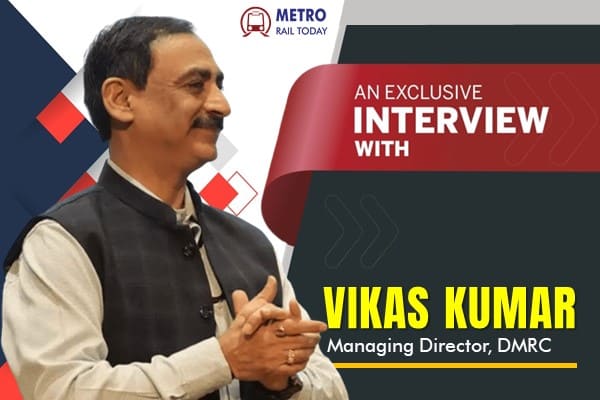 DMRC focuses on Technology, Financial Sustainability and Global Expansion: Dr. Vikas Kumar
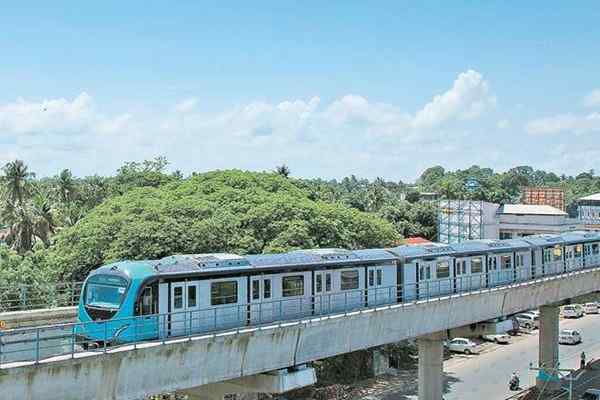 DMRC seeks opportunity to take up operation and maintenance of the Kochi Metro Rail network
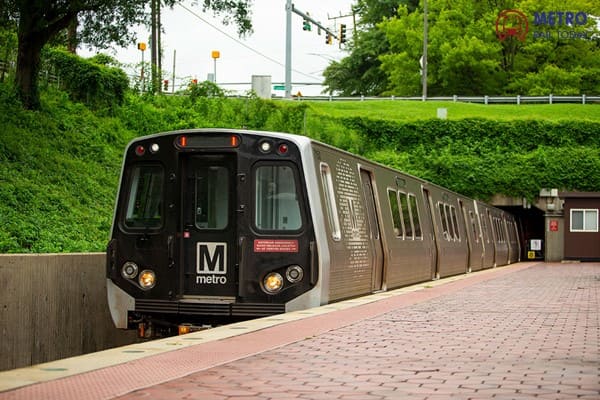 New Zealand opens country's first Underground City Rail Link in Auckland
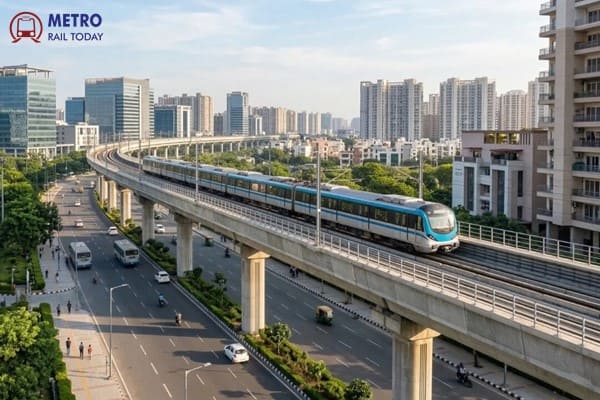 Ireland approves construction of €15.7 billion Dublin MetroLink, tender to be launched soon
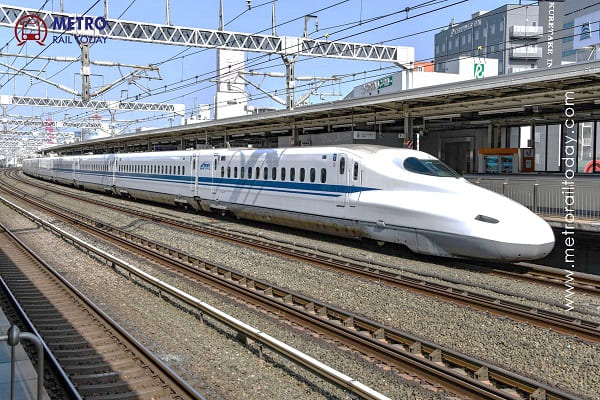 India's Mumbai-Ahmedabad Bullet Train project completes construction of over 365 km Viaduct
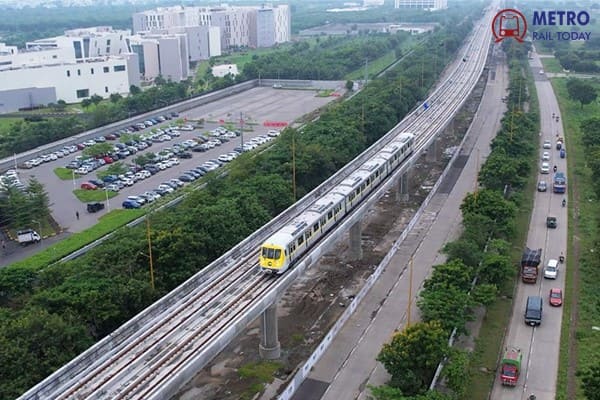 Metro Rail Expansion in India: 1,155 Km Network Across 26 Cities and the Road Ahead
 Mumbai BKC Pod Taxi project faces Architects’ concerns over cost, capacity and environment
Rail Chamber submits key recommendations to Railway Ministry for Budget 2026-27
MRT Online Desk
Posted on: 2026-01-23 17:00:00
Viewer: 1,919
Comments: 0
Country: India
City: New Delhi
New Delhi, India (Metro Rail Today): The Chamber of Railway Industries (popularly known as the Rail Chamber), the apex body representing India’s railway and metro manufacturing ecosystem, has submitted a comprehensive recommendation memorandum to the Ministry of Railways ahead of the Union Budget 2026-27. The memorandum outlines a forward-looking roadmap for the sector, urging the government to pivot from pure network expansion towards a more safety-focused, technology-intensive and industrially sustainable railway system.
As India advances towards the Viksit Bharat 2047 vision, the Rail Chamber has projected a capital expenditure outlay in the range of ₹2.75–₹2.8 lakh crore for Indian Railways in the upcoming budget. This represents a steady 10–12 percent increase over the current allocation and is aimed at delivering high-multiplier outcomes through safety systems, modern rolling stock and deeper industry integration rather than only route expansion.
Safety, Technology and Predictability at the Core
A key pillar of the Chamber’s recommendations is accelerated deployment of Kavach, the indigenous Automatic Train Protection system. The industry body has called for a 25 percent increase in budgetary support for Kavach to ensure faster coverage of the 78,000 km broad-gauge network. To address capacity constraints, the Chamber has also suggested vendor diversification grants that would encourage new OEMs to enter the safety technology ecosystem.
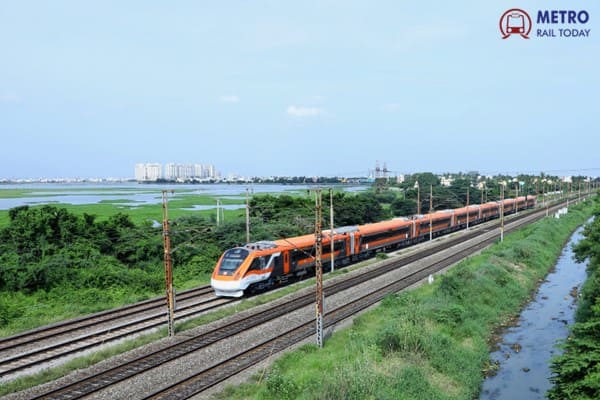
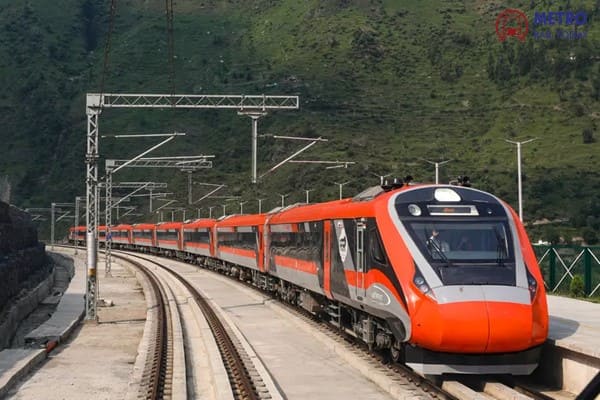
Rolling stock modernization has emerged as another major focus area. Following the successful rollout of Vande Bharat Sleeper trainsets in early 2026, the Chamber has sought predictable and long-term procurement commitments. According to the memorandum, assured order visibility is essential for manufacturers to scale up capacity and align with the national target of producing 800 modern trainsets by 2030.
Mrs. Mamta Shah, MD & CEO of Urban Infra Group, said the recommendations reflect the changing maturity of India’s rail sector. “The Rail Chamber’s Budget 2026-27 proposals clearly indicate a shift from quantity-driven expansion to quality-led growth. Prioritising safety systems, advanced rolling stock and financial discipline will not only improve passenger confidence but also make India’s rail ecosystem globally competitive,” she said.
MSMEs, Metro Rail and Asset Monetisation
The memorandum also places strong emphasis on MSME sustainability, recommending mandatory integration of Railway Production Units with the TReDS platform to ensure payments within 45 days. It has further urged rationalisation of GST on train components to address the inverted duty structure that continues to strain smaller suppliers.
On the urban and intercity mobility front, the Rail Chamber has called for dedicated allocations for Namo Bharat rapid rail corridors and faster execution of the Mumbai–Ahmedabad High-Speed Rail project. The proposal also highlights the need for a National Infrastructure Pipeline 2.0 to provide long-term visibility and confidence to private investors.
Dr. Vinod Shah, Director General of the Indian Chamber of Railway Industries, said the upcoming budget must balance stability with growth. “The Union Budget 2026-27 should be a catalyst for building the industrial backbone of a global rail power. Focused investment in Kavach and structured support for MSMEs can significantly improve efficiency, reduce lifecycle costs and ensure that Make in India remains the engine of our rail transformation,” he stated.
With its data-driven and industry-aligned recommendations, the Rail Chamber’s memorandum positions the railway sector as a cornerstone of India’s economic, technological and industrial ambitions in the run-up to 2047.


MRT Online Desk
Metro Rail Today is an authentic and global news provider for the Rail & Metro industry from and around the world.