

Trending Now
 K-RIDE to appoint Detailed Design Consultant for Bengaluru Suburban Rail Project
 Prime Minister Narendra Modi inaugurates first 15-km stretch of Chennai Metro Phase 2
 Karnataka proposes 270-km RRTS Network linking Bengaluru with Tumakuru, Mysuru and KGF
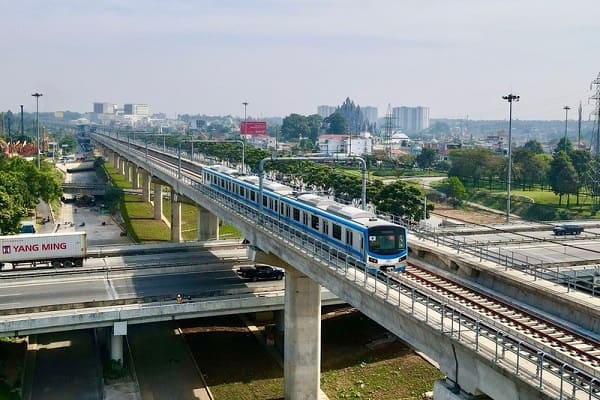 Alstom and Vingroup sign MoU to supply up to 200 Metro Trains for Hanoi Urban Rail Projects
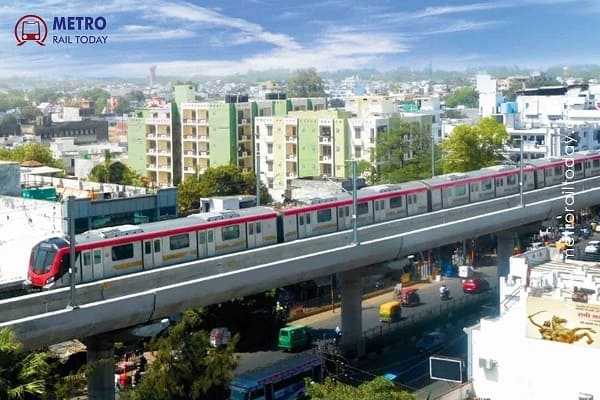 Afcons Infrastructure wins ₹1,383 crore Civil Contract for Lucknow Metro Phase 1B Corridor
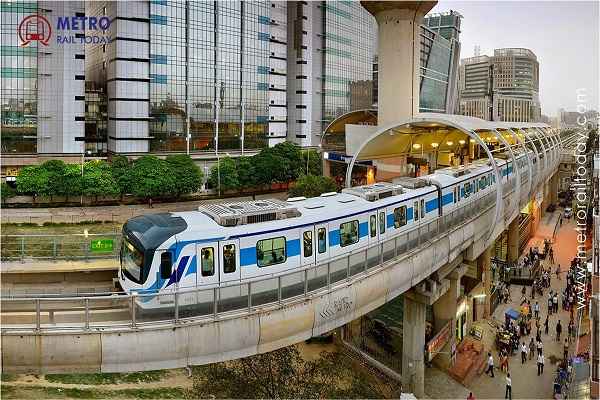 GMRL issues ₹1,662 crore Civil Tender for Sector 9–Cyber City Gurugram Metro Rail Corridor
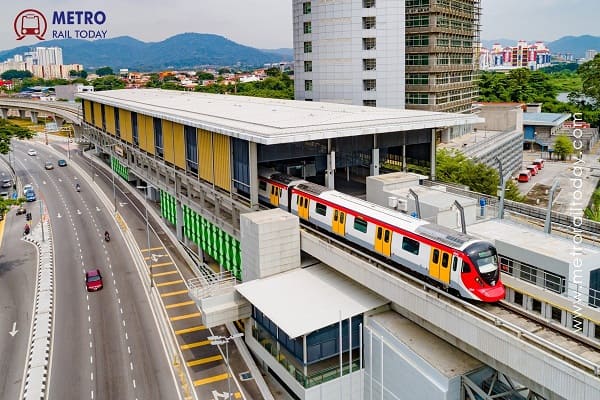 Madrid unveils €1.57 billion Metro Rail Expansion Programme with 27.8 km of New Corridors
 Global Tender launched for Project Management Consultancy for Abu Dhabi Tram Line 4
 NV Dynamics awarded Noise and Vibration Study contract for Jaipur Metro Phase 2 Project
 Two global consortia bid for India’s 350 kmph High-Speed Rail Design consultancy contract
Adani Group-arm wins ₹665.61 Crore Civil Contract for Bengaluru Suburban Rail Project
MRT Online Desk
Posted on: 2026-08-31 07:15:00
Viewer: 1,966
Comments: 0
Country: India
City: Bengaluru
Bengaluru, India (Rail & Metro Today): Cemindia Projects Limited has emerged as the lowest bidder (L1) for Package-1 of the Bengaluru Suburban Rail Project (BSRP) being implemented by Rail Infrastructure Development Company (Karnataka) Limited (K-RIDE/Bi-RIDE).
The company submitted a bid of ₹665.61 crore, marginally lower than the estimated contract value of ₹671.65 crore, for the construction of an elevated suburban rail viaduct, a double-decker station at Mathikere, and the BSTP viaduct ramp.
The L1 position is subject to the completion of the tender evaluation process and the formal award of the contract.
Financial Bids for Bengaluru Suburban Rail Package-1
| Bidder | Bid Value |
|---|---|
| L1: Cemindia Projects Limited | ₹665.61 crore |
| L2: Rail Vikas Nigam Limited (RVNL) | ₹759.05 crore |
| L3: H.G. Infra Engineering Limited | ₹790.11 crore |
| L4: Afcons Infrastructure Limited | ₹802.62 crore |
The winning bid is approximately 0.90% below the estimated project cost, while RNS Infrastructure Limited was reportedly rejected during the technical evaluation stage.
Double-Decker Infrastructure at Mathikere
The project involves the construction of an elevated viaduct and a strategically important double-decker station at Mathikere, along with the BSTP viaduct ramp.
The innovative structure is expected to maximise the use of limited urban space by vertically integrating road and suburban rail infrastructure. The proposed arrangement will include:
Lower level: Road flyover infrastructure designed to help ease local vehicular congestion.
Upper level: Elevated suburban rail infrastructure carrying the Bengaluru Suburban Rail Project's Corridor-2 tracks.
The Mathikere package represents an important step in developing integrated and space-efficient transport infrastructure in one of Bengaluru's densely developed urban areas.
About Bengaluru Suburban Rail Corridor-2
The project forms part of Corridor-2 of the Bengaluru Suburban Transport Project (BSTP), popularly known as the Mallige Line.
The corridor is planned to connect Benniganahalli with Chikkabanavara and forms one of the four corridors proposed under the larger Bengaluru Suburban Rail Project.
The route is designed to strengthen east-west connectivity while integrating with major railway and urban transport systems across Bengaluru.
Important interchange opportunities along the corridor include Benniganahalli, which is expected to provide connectivity with the Bengaluru Suburban Rail network and Namma Metro's Purple Line, while Yesvantpur will serve as another key multimodal interchange point.
Fresh Momentum for Bengaluru Suburban Rail Construction
K-RIDE had earlier restructured the remaining civil works on Corridor-2 after challenges associated with the previous contracting arrangement and project implementation.
The procurement process for Package-1 attracted strong competition from major infrastructure companies, with Cemindia Projects ultimately emerging as the lowest bidder.
The latest development is expected to provide fresh momentum to the construction of Bengaluru's suburban rail network. Once formally awarded, the package will support the development of a critical section of the Mallige Line, while the proposed double-decker structure at Mathikere could become one of the project's notable engineering features.
The Bengaluru Suburban Rail Project is expected to play an important role in reducing dependence on road-based travel and providing high-capacity regional rail connectivity across the rapidly expanding Bengaluru metropolitan region.


MRT Online Desk
Metro Rail Today is an authentic and global news provider for the Rail & Metro industry from and around the world.