


Trending Now
 Gamuda awarded RM3.7 billion contract to build Keelung Mass Rapid Transit in Taiwan
 Maharashtra forms special Task Force to plan Rail, Metro and RRTS expansion
 Govt. of India approves ₹12,200 crore, 29-km Thane Integral Ring Metro project in Maharashtra
 World’s Top 20 Metro Systems: Engineering Marvels Transforming the Future of Urban Mobility
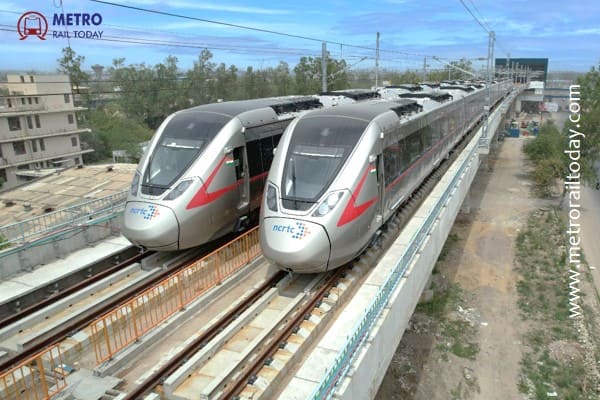 NCRTC celebrates Three Years of Namo Bharat, Highlights 4.5 crore Passenger Journeys
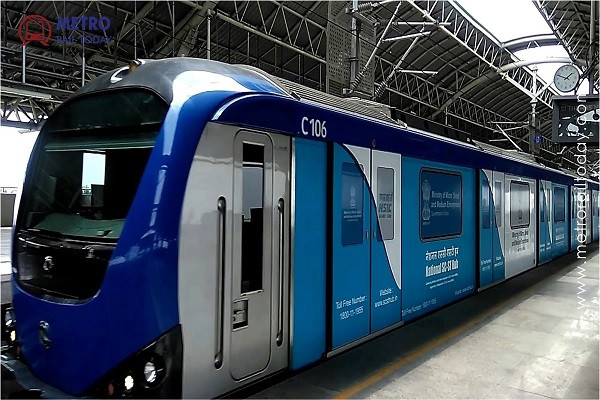 Alstom eyes ₹2,000 crore Chennai Metro tender for supply of 168 Train Coaches
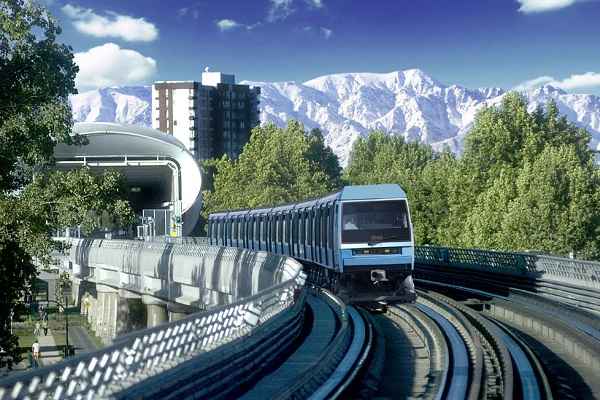 SYSTRA India emerges as lowest bidder for Thane Metro Design Consultancy Contract
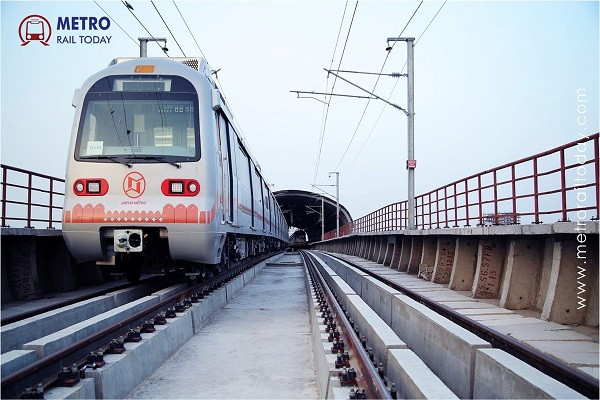 Adani Group's Cemindia Projects wins ₹921.63 crore Underground Package for Jaipur Metro
 EFKON India wins ₹288.11 crore Station Systems Contract for Indore Metro Rail Project
 L&T partners with IIT Madras-Backed TuTr Hyperloop to explore Next-Gen Mobility
NCRTC likely to extend Delhi-Meerut RRTS Corridor to Muzaffarnagar and Haridwar
MRT Online Desk
Posted on: 2024-01-27 06:55:00
Viewer: 7,396
Comments: 0
Country: India
City: New Delhi
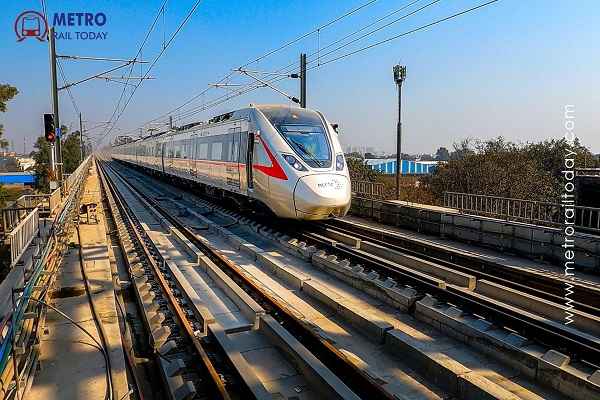
New Delhi, India (Metro Rail Today): In a potential game-changer for daily commuters in the National Capital Region (NCR) of Western Uttar Pradesh, the National Capital Region Transport Corporation (NCRTC) is contemplating extending the Delhi-Meerut Namo Bharat Rapid Rail Corridor from Meerut to Muzaffarnagar and further to Haridwar. This proposed expansion could significantly reduce travel time from Delhi to Haridwar to just two hours, providing a substantial boost to regional connectivity.
The envisioned extension to Muzaffarnagar and Haridwar holds the promise of transforming the daily commute for countless individuals traveling between these destinations. If the project progresses according to plan, the journey from Delhi to Haridwar could be streamlined to a mere two hours, revolutionizing transportation in the region. The recent discussions during a meeting of the NCR Planning boards have laid the groundwork for this ambitious extension, with unanimous agreement on conducting a comprehensive physical survey. This survey will assess the feasibility and execution of the project, considering factors such as social impact, development pace, and the number of beneficiaries.
Notably, the Regional Rapid Transit System (RRTS), inaugurated by Prime Minister Narendra Modi as India's first, has already made strides with the launch of the Namo Bharat Rapid Transit Train. Capable of reaching speeds up to 180 kmph, this cutting-edge transport system has an operational 17-km priority section between Sahibabad and the Duhai Depot, forming part of the 82-km Delhi-Ghaziabad-Meerut RRTS corridor. The subsequent 25-km stretch between Duhai and Meerut South station is poised to become operational shortly.
As these projects unfold, they present the potential to revolutionize the transportation landscape of the region, enhancing efficiency and accessibility for the public. The impending surveys and the subsequent Detailed Project Report (DPR) will play a pivotal role in ensuring the successful execution of these extensions. This marks the beginning of a new era of connectivity and convenience for the residents of the National Capital Region.
The proposed extension of the Delhi-Meerut RRTS (Namo Bharat Rapid Rail) from Meerut to Muzaffarnagar and Haridwar holds immense promise for transforming the way people commute in the National Capital Region. With the potential to reduce the journey from Delhi to Haridwar to just two hours, this ambitious project could usher in a new era of efficient and accessible transportation. As the surveys progress and the Detailed Project Report takes shape, the vision of enhanced connectivity in the region edges closer to reality.


MRT Online Desk
Metro Rail Today is an authentic and global news provider for the Rail & Metro industry from and around the world.